|
What we do to keep our senior pets comfortable, happy, and healthy.
As we age, so do our pets. With our canine friends living an average of 10 to 13 years, and cats living 13-17 years, our furry friends are only here for just a fraction of our lives. This means we need to do a little extra in their later years to make sure they stay as healthy and as comfortable as possible. These are some things we recommend doing with the help of your veterinarian to ensure your pet is living it’s best life! As dogs and cats get older, they need more attention and special care. Our senior wellness program can help your pet remain fit and healthy as he or she ages and help us catch any potential problems earlier, when they’re easier to treat or manage. Regular veterinary exams can actually help your pet live longer, too! Diagnosing diseases and certain conditions early is important throughout a pet’s life, but it becomes even more critical when your dog or cat enters his or her senior years. The risks of arthritis, cancer, diabetes, heart disease, hormone disorders, and kidney and liver problems all increase with age. In addition, dogs and cats may not show any signs of even serious diseases until they are quite advanced. Senior status varies depending on your pet’s breed and size. Smaller dogs tend to live longer than larger dogs, and cats generally live longer than dogs. We can help you determine what life stage your pet is in. Before your dog or cat reaches senior status, we recommend that you bring your pet in for a baseline exam and diagnostic workup. This will give us a record of what’s normal for your pet so we can keep track of any changes. In most cases, we suggest this checkup for when your dog turns 7 years of age or your cat turns 8 years of age. Thereafter, your senior pet will benefit from more frequent veterinary exams and diagnostic testing. We can treat many symptoms that are commonly attributed to age, including those associated with cognitive dysfunction syndrome (similar to Alzheimer’s in humans). We can also improve your pet’s quality of life in many ways: by identifying and preventing or reducing pain, recommending an appropriate nutrition and exercise plan, and suggesting environmental modifications to keep your pet comfortable. We will tailor a senior wellness plan to your pet’s individual needs. If you have any questions, we would be happy to discuss our senior wellness program in more detail. Call us today to schedule your pet’s exam! |
Ask questions!- If something about your pet seems off, make an appointment to have your veterinarian examine and determine if there is something to be worried about or not. It never hurts to ask!
|
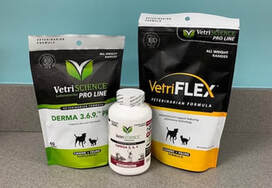
Mobility Management
Joint pain, inflammation, and generally having a hard time getting from point “A” to point “B” can come with your pet’s old age as well. As they age, their joints start to get worn out, and arthritis can commonly start to set in. Starting them on a Glucosamine supplement early in their life can help
aid their joints and reduce discomfort. Some supplements can have a combination of glucosamine and fish oils that can also help contribute to having a healthy skin and coat, as well as helping their joints. Radiographs can be taken of the entire body, focusing on their elbows, hips, knees and more, looking for any bone changes or inflammation. Patients with more moderate to severe joint pain can sometimes be put on anti-inflammatories, and/or treated with MLS Laser, and in very severe cases can benefit from physical therapy and rehabilitation.
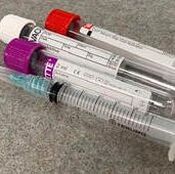
Bloodwork
Bloodwork is recommended for all of our pets, young and old! However, in our older pets, it’s a good idea to check it a little more often. Running routine bloodwork every 6-12 months can help us maintain an image of your pet’s health in the form of their organ functions, blood count, and urinalysis status. This looks for any concerns for the kidneys, liver, heart, thyroid, and many, many more functions of your pet’s body. Running bloodwork helps us catch any issues or diseases as early as possible in hopes of treatment with a better prognosis. We also run bloodwork for monitoring purposes in pets that are on long-term medications to make sure that their body is tolerating them well. Blood work can be done in-house, or sent to an outside lab for analysis. |
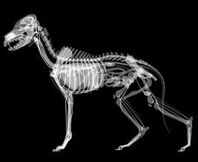
Radiographs
Performing radiographs at least once a year, focusing on your pet’s chest and abdomen can help us make sure that all organs look normal, and that there are no negative changes in size or opacity. Radiographs also look for Neoplasia, or tumors. We want to make sure as early as possible that your dog or cat does not have any growths or tumors, especially in the chest or abdomen cavities, that could potentially be cancerous. Tumors, even if benign, can affect organ function. Again, the earlier we can find any abnormalities, the sooner we can diagnose, treat, and resolve them, if possible. |
Other Helpful Diagnostics and reminders:
- Keeping their wellness exams updated- Even though our older pets tend to not need as many vaccines or visits, we still recommend having them seen every 6 to 12 months. This helps us make note of any changes in appearance or weight from one exam to the next, and keep track of anything that consistently changes in their physical exam.
- Intraocular Pressure (IOP)- Using our tool called the Tonovet, we check the fluid pressure in your pet’s eyes, and make sure the pressure is not too high or low. This commonly helps the doctor rule out Glaucoma.
- Preventions- Age is no excuse to stop heartworm, flea, and tick preventions! Mosquitos do not discriminate between the young and old, and will feed on your senior dog just the same. Dogs at an older age are at increased risk for complications from heartworm treatment, should they have to go through it. It is a much safer choice to continue to keep them on prevention year-round, for life, and to keep their yearly heartworm test up to date.